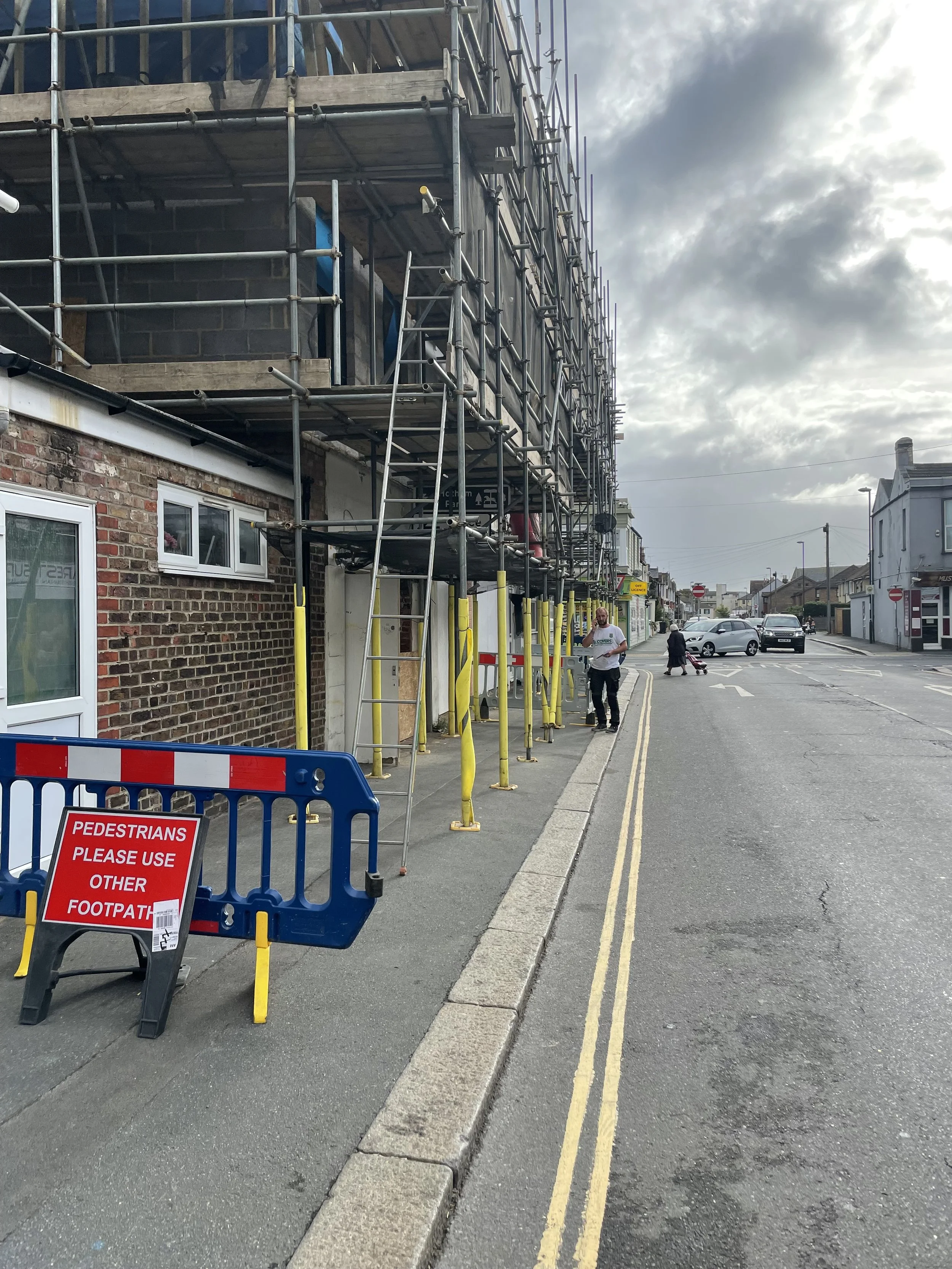
Why do you need a project manager
Over time, I’ve seen a consistent pattern across the industry:
The success of a project is rarely defined at the point of purchase.
It is defined in the delivery.
That is where most of the risk, cost variation, and performance is actually created.
How projects really fail
In practice, most issues don’t come from one major mistake. They come from accumulation.
Small decisions around layouts, specifications, sequencing, contractor coordination, and design direction compound over time. Delays in communication alone can shift programs significantly, particularly where work is dependent on timely instruction.
Without experienced oversight, clients often find themselves in a reactive position—making high-value decisions under pressure, without full context, while trying to manage builders, design input, and budgets alongside their own professional and personal commitments.
This is where projects lose control of cost, time, and outcome.

Our role on a project
Our role is to bring structure, clarity, and control to the entire delivery process.
We manage projects from start to finish, ensuring the program, contractors, design coordination, and financial control are all aligned and actively managed.
A key part of this is ensuring the design and specification are not just aesthetically appropriate, but commercially optimised and aligned with the intended end use of the property to maximise functionality, value, and long-term return, without unnecessary cost escalation.
The construction and property sectors are governed by an increasingly complex range of legal, regulatory, and safety requirements. I oversee compliance coordination throughout the project, ensuring statutory requirements, approvals, and build-stage obligations are properly managed and integrated into delivery.
Our role is to significantly reduce exposure by ensuring the project is structured, managed, and delivered in a controlled and compliant way.
The objective is simple: remove uncertainty and ensure the project is delivered correctly, both operationally and commercially.